
The Minority in Parliament has launched a scathing critique of the government’s 2026 budget, labeling it a “growthless, jobless, and minimalist” document that fails to tackle the country’s pressing economic woes.
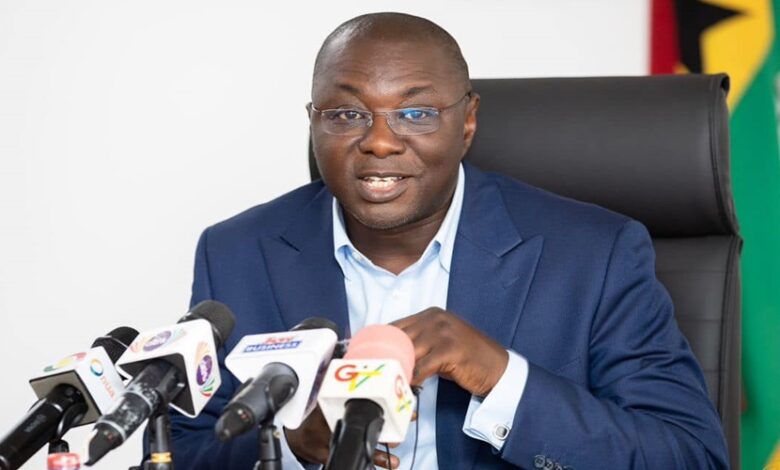
The assessment was delivered by former Finance Minister Dr. Mohammed Amin Adam during a press briefing on Friday, November 14.
Speaking on behalf of the opposition caucus, Dr. Adam accused the government of offering little more than “cosmetic rhetoric” and failing to present a credible plan for economic recovery.
“Ghana needs a better budget that strengthens revenue realism, expands productive investment, protects fiscal credibility, and enables the private sector to lead job creation,” Dr. Adam stated. “We can therefore describe the 2026 budget as growthless, jobless, and minimalist.”
The Minority’s analysis points to several key deficiencies. They argue that the budget lacks a major shift towards job creation and productivity, relies on overly optimistic revenue projections, and fails to adequately address significant fiscal risks.
Dr. Adam also raised concerns about a lack of transparency in flagship government programs and warned that the government’s strategy of cutting expenditure to appear fiscally prudent could be counterproductive.
“Sustainability requires sustained growth and credible revenue mobilisation, not austerity that undermines both,” he explained.
The Minority highlighted several “hidden fiscal risks” they believe threaten stability, including unattractive government debt auctions and unquantified liabilities from state-owned enterprises. They also noted that climate and disaster risks are not sufficiently integrated into the fiscal framework.
Broadening the critique, Dr. Adam challenged the government’s positive portrayal of the economy, describing a reality of “empty pockets, vanishing customers, and sophisticated investors avoiding government auctions.”
The opposition’s statement concluded with a call for “genuine economic leadership rather than broken promises,” and “real fiscal discipline rather than opportunistic austerity.”
“The 2026 budget does not offer the hope needed to take us out of this,” Dr. Adam added, characterizing the current state as “economic stagnation masquerading as progress.”
