
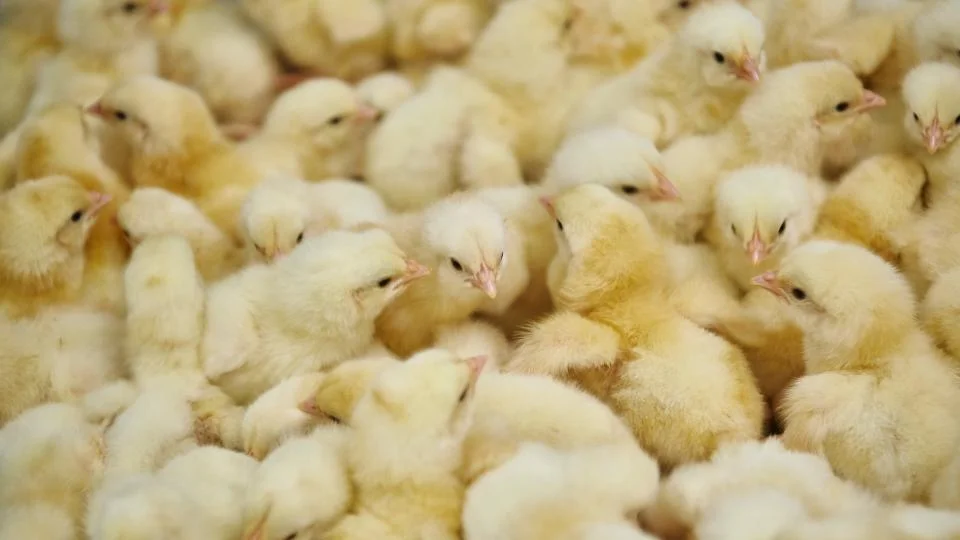
The Government of Ghana will commence the first phase of its flagship “Nkoko Nkitinkiti” poultry initiative in mid-November, with a strategic rollout of birds to constituencies nationwide. The announcement was made by the Deputy Minister of Food and Agriculture, John Dumelo.
The programme aims to distribute an initial three million birds to beneficiaries and farmers over time. To ensure the success of the initiative, selected participants will also receive feed for the birds, which will be fully vaccinated prior to distribution.
Detailing the distribution plan, Deputy Minister Dumelo explained that the government is targeting approximately 10,000 birds per constituency. This is projected to support around 200 households per constituency, with each receiving about 50 birds.
Mr. Dumelo, speaking from Washington D.C. on the sidelines of the annual IMF/World Bank Meetings, emphasized the government’s commitment to a transparent and monitored selection process. The programme will prioritize individuals with demonstrable knowledge of poultry farming and a genuine commitment to its success.
“This is an initial investment by the government to empower citizens,” stated Mr. Dumelo. “When the birds mature, beneficiaries are encouraged to reinvest their proceeds to sustain and grow their operations, thereby boosting local production.”
The “Nkoko Nkitinkiti” programme is a central component of the government’s strategy to revitalize Ghana’s poultry sector. It is designed to strengthen local production capacity and curb the nation’s reliance on imported chicken, which currently costs over $300 million annually in foreign exchange.
“Our objective is to significantly increase domestic poultry production,” Mr. Dumelo explained. “This initiative is poised to be a turning point for the industry, with expected outcomes including job creation for rural youth and women, strengthening domestic feed and processing value chains, and stabilizing local market prices.”
