
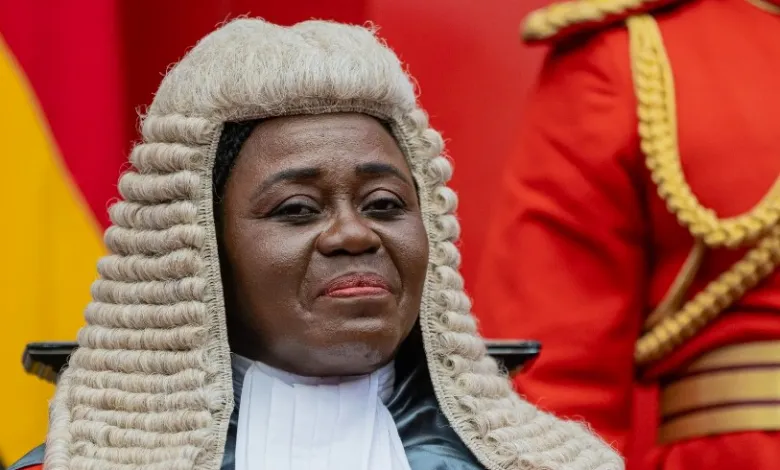
Chief Justice Gertrude Torkornoo has filed a landmark suit contesting the legality of her suspension and the ongoing constitutional process for her potential removal from office—a first in Ghana’s judicial history. The case, which has drawn intense scrutiny, centers on allegations that her suspension violated fundamental human rights under the African Charter on Human and Peoples’ Rights.
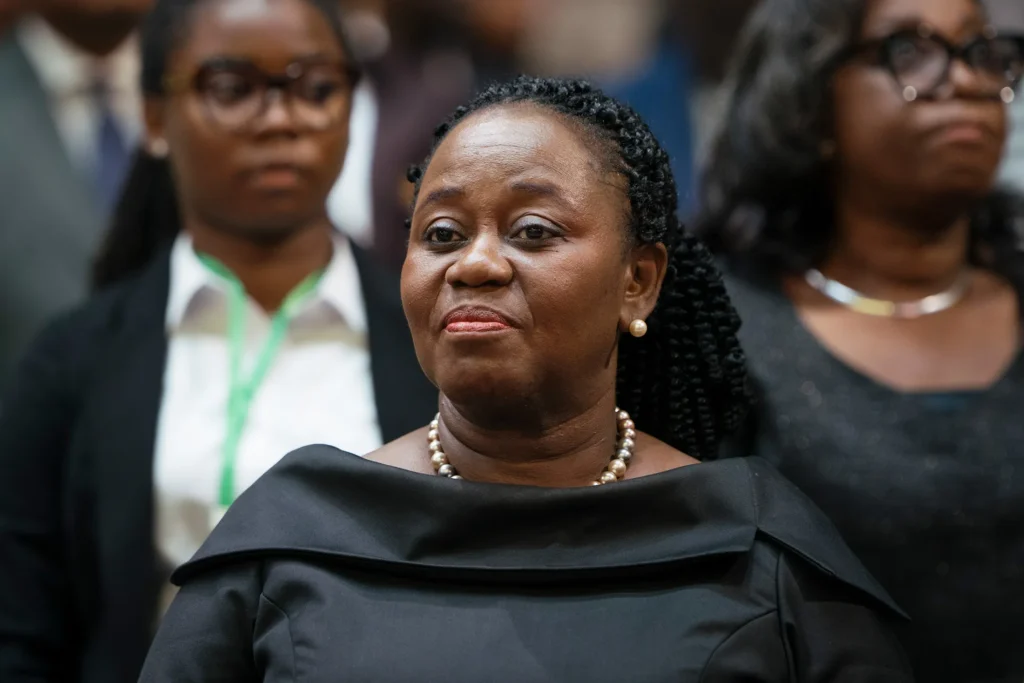
According to judicial sources, the suit argues that President John Dramani Mahama’s decision to suspend her on April 22, 2025, breached multiple protections under the Charter. Key among her sought declarations are:
- That her suspension denied her the right to a fair hearing (Article 7).
- That the investigative panel lacked independence and impartiality, further violating due process.
- That her suspension infringed on her right to fair working conditions (Article 15).
- That the public backlash from the suspension unlawfully undermined her dignity (Article 5).
- That the proceedings have caused professional and reputational harm to her and her family.
Beyond these declarations, Justice Torkornoo is seeking corrective orders from the ECOWAS Court of Justice, escalating a conflict that began when President Mahama invoked Article 146 of Ghana’s 1992 Constitution—the legal framework for removing Superior Court justices.
A Historic and High-Stakes Battle
This marks the first time in Ghana’s 68-year history that a sitting Chief Justice has faced removal proceedings. Justice Torkornoo had previously challenged the process domestically, including an unsuccessful Supreme Court bid in May 2025 to halt the Committee of Inquiry. With constitutional arguments still pending in Ghana’s courts, her turn to the ECOWAS Court has divided legal experts.
While some contend that local remedies must be exhausted first, the ECOWAS Court’s precedent permits parallel proceedings unless another international body is involved. The case’s outcome could reshape regional standards for judicial independence, executive accountability, and the enforcement of human rights in West Africa.
As Ghana’s judiciary grapples with this unprecedented crisis, the ECOWAS Court’s ruling will be closely watched—not only for its domestic implications but also for its potential to influence governance norms across the region.
