
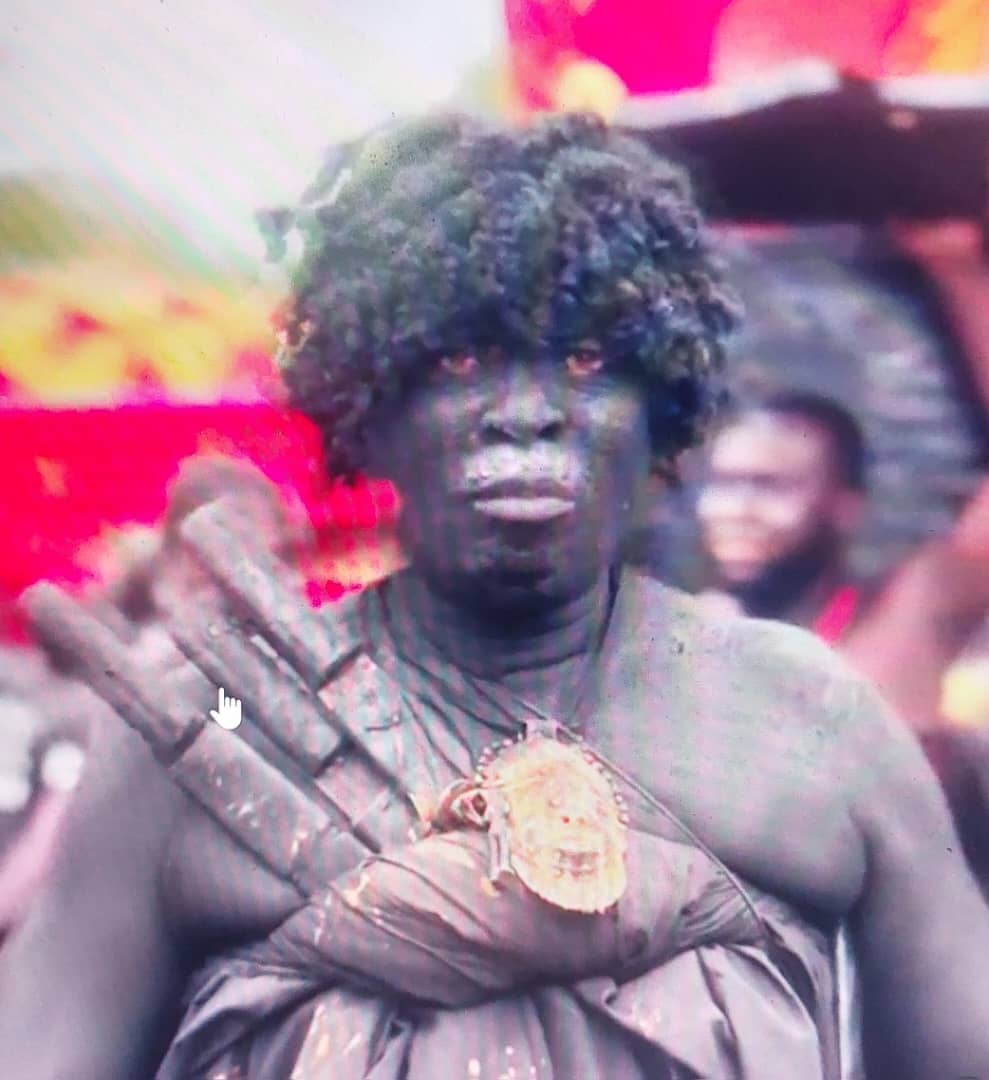
The chief executioner at the Manhyia Palace (Manhyia Brafoɔ) has issued a strong warning to residents of Kumasi ahead of the burial of the late Asantehemaa, Nana Konadu Yiadom III.
According to him, no one is expected to be seen outside for any reason on the Thursday, 18th September 2025, which the Asantehemaa will be buried.
In a viral video, the Manhyia Brafoɔ stressed that anyone who flouts the Thursday curfew would face some consequencies, hence, residents, be it workers or students are to stay in their various homes at tradition demands, else, blame no one for the outcome.
“We are not joking, we are not bragging. It is an order. We are saying that on Thursday, stay indoors. If you say you are a man, get out and lets see,” he warned on Tuesday.
The warning from the Chief Executioner is a serious and culturally significant directive issued to ensure that the final funeral rites of the late Asantehemaa, are conducted with the utmost respect, solemnity, and order.
“I said on Thursaday, if you say Asanteman belongs to you, step out and see. I will show you that Asanteman has a lord,” he stressed in a local dialect.
Here’s a breakdown of what the warning entails and its context:
Who is the Manhyia Brafoɔ ?
The Brafoɔ is a traditional office within the Asante royal court. Historically, the Brafo was the official who carried out the sentences decreed by the Asantehene.
In modern times, while the literal executioner role is obsolete, the Brafoɔ remains a powerful and feared figure, serving as the chief disciplinarian and enforcer of royal protocol and decrees. His words carry immense weight and are not taken lightly.
The Core of the Warning
The Brafoɔ’s warning typically includes several key directives to the residents of Kumasi and visitors:
- Strict Adherence to Funeral Protocols: The public must observe all announced rituals and timings. This includes periods of silence, curfews, and specific dress codes (often traditional, somber clothing like red and black).
- Ban on Noise-Making and Revelry: All forms of loud entertainment are prohibited. This means:
- No loud music from homes, bars, or cars.
- No drumming or dancing in public that is not part of the official funeral rites.
- No hooting (honking car horns) unnecessarily.
- Restrictions on the operation of entertainment venues like pubs and nightclubs, especially during key moments of the funeral.
- Prohibition of Anti-Social Behavior: The warning sternly forbids activities like fighting, public drunkenness, theft, or any form of disorder that could disrupt the solemn occasion. The Brafoɔ has the authority to sanction those who break these rules.
- Respect for the Occasion: The warning emphasizes that this is a time of deep mourning for the Asante nation. The Asantehemaa was not just a queen mother but the mother of the entire kingdom and a pivotal figure in the royal lineage. Everyone is expected to comport themselves with dignity and respect.
Why Such a Strong Warning?
- Cultural Significance: The burial of an Asantehemaa is a momentous historical event. The rituals are ancient and must be performed flawlessly to ensure a peaceful transition for the late queen and to uphold tradition.
- Maintaining Order: Kumasi is a bustling metropolis. The warning is a pre-emptive measure to ensure that the city’s normal activities do not encroach upon the sacred funeral rites. It is a call for collective responsibility.
- Honoring the Deceased: Nana Konadu Yiadom III was a highly revered figure. Allowing noise and chaos would be seen as a profound sign of disrespect to her memory, the Asantehene, and the entire Ashanti Kingdom.
- Spiritual Beliefs: In Akan tradition, the proper performance of funeral rites is crucial for the journey of the ancestor’s spirit. Disruptions are believed to have spiritual consequences.
Consequences for Disregarding the Warning
While the Brafoɔ no longer carries out physical punishments, those who flout the rules face serious consequences. The Brafoɔ, through his aides and in collaboration with the police, can:
- Arrest and fine individuals.
- Confiscate sound systems and equipment.
- Shut down establishments violating the ban.
- Subject offenders to traditional justice or require them to perform pacification rites, which can be a significant financial and social burden.
