

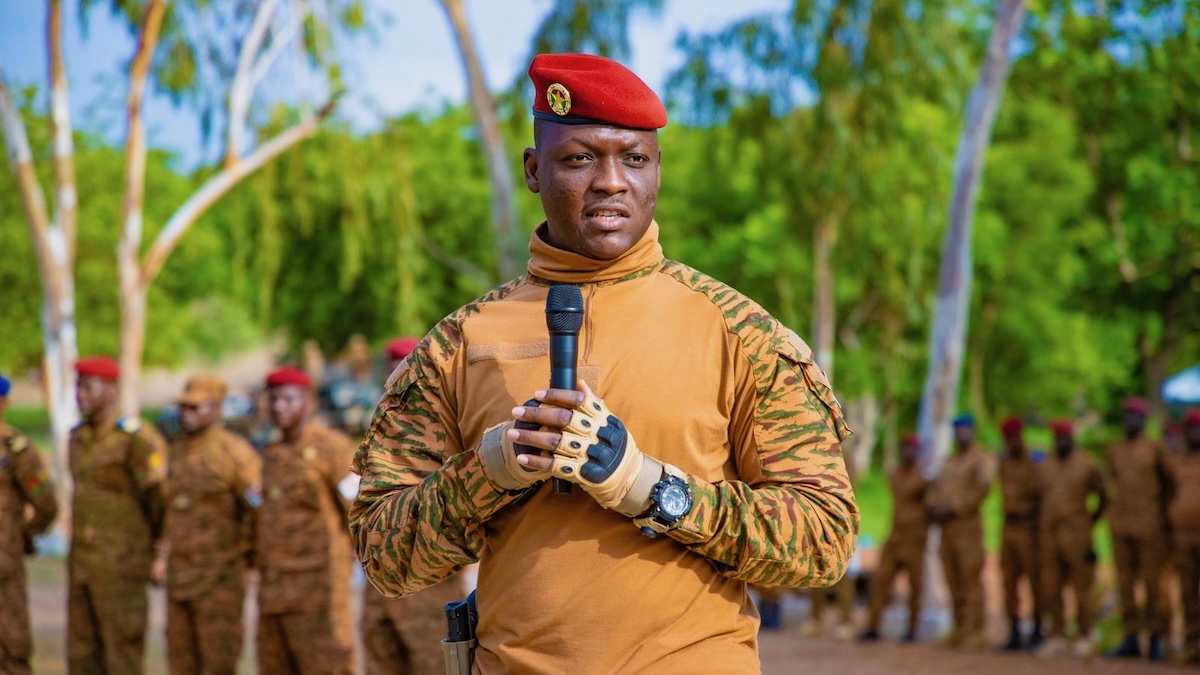
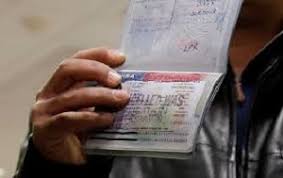
In a move to promote regional integration and facilitate travel, Burkina Faso has announced the elimination of visa fees for all African citizens. The decision was confirmed by Security Minister Mahamadou Sana following a cabinet meeting chaired by the country’s military leader, Captain Ibrahim Traoré.
“From now on, any citizen from an African country wishing to go to Burkina Faso will not pay any amount to cover visa fees,” the minister stated. He clarified that travelers will still be required to submit an online visa application for review and approval before their trip.
This policy aligns Burkina Faso with other African nations like Ghana, Rwanda, and Kenya that have eased travel restrictions for visitors from the continent. The junta’s information service released a statement saying the move reflects the country’s “attachment to Pan-Africanist ideals” and will help “promote tourism and Burkinabe culture, and improve Burkina Faso’s visibility abroad.”
The decision comes amid a complex political and security backdrop. Although citizens from West African countries could already travel to Burkina Faso without a visa, this arrangement may change in the future. The country recently withdrew from the regional bloc ECOWAS, along with its military-ruled neighbors, Mali and Niger.
Captain Traoré, who seized power in a 2022 coup, has positioned himself as a Pan-Africanist leader critical of Western influence and colonialism. While he has gained a significant following on the continent, bolstered by a strong social media presence, his government has also faced criticism for its authoritarian governance and handling of a severe Islamist insurgency. An estimated 40% of the country is controlled by armed jihadist groups, and security remains dire despite government promises and new partnerships with Russia.
The African Union has been actively promoting the easing of travel restrictions within the continent. Studies have shown that it is often easier for citizens of Western countries to visit African nations than it is for Africans to travel within their own continent, a trend several countries are now trying to reverse.
